April 23, 2026
(1944–2026)
Even as one of music’s elder statesmen, Michael Tilson Thomas embodied youth: eager, seeking, demanding, rejoicing—destined, you would think, to go on with no end in sight. Which makes the loss more difficult to comprehend. MTT died on April 22. He was 81.
Michael Tilson Thomas first conducted the San Francisco Symphony in 1974, at age 29. Five years earlier he had come to national attention when, as assistant conductor of the Boston Symphony Orchestra, he stepped in for conductor William Steinberg at Carnegie Hall. That launched a career with few parallels in this country’s music history. Soon he was spotlighted in recordings with the Boston Symphony—including music of Ives and Walter Piston and Carl Ruggles, announcing what would be a lifelong commitment to American composers. On CBS-TV, he took over as host of the New York Philharmonic Young People’s Concerts from Leonard Bernstein, who in 1971 told The New York Times, “I don’t fling the word genius around lightly, but I fling it around about Michael. He reminds me of me at that age …. [H]e’s like me in his total embrace of music of any kind, in the voraciousness, the total promiscuity of it.” MTT committed himself as easily to Gershwin as to Beethoven. He accompanied master classes of Heifetz and Piatigorsky and revered Soul legend James Brown. Story continues below...
Michael Tilson Thomas first conducted the San Francisco Symphony in 1974, at age 29. Five years earlier he had come to national attention when, as assistant conductor of the Boston Symphony Orchestra, he stepped in for conductor William Steinberg at Carnegie Hall. That launched a career with few parallels in this country’s music history. Soon he was spotlighted in recordings with the Boston Symphony—including music of Ives and Walter Piston and Carl Ruggles, announcing what would be a lifelong commitment to American composers. On CBS-TV, he took over as host of the New York Philharmonic Young People’s Concerts from Leonard Bernstein, who in 1971 told The New York Times, “I don’t fling the word genius around lightly, but I fling it around about Michael. He reminds me of me at that age …. [H]e’s like me in his total embrace of music of any kind, in the voraciousness, the total promiscuity of it.” MTT committed himself as easily to Gershwin as to Beethoven. He accompanied master classes of Heifetz and Piatigorsky and revered Soul legend James Brown. Story continues below...
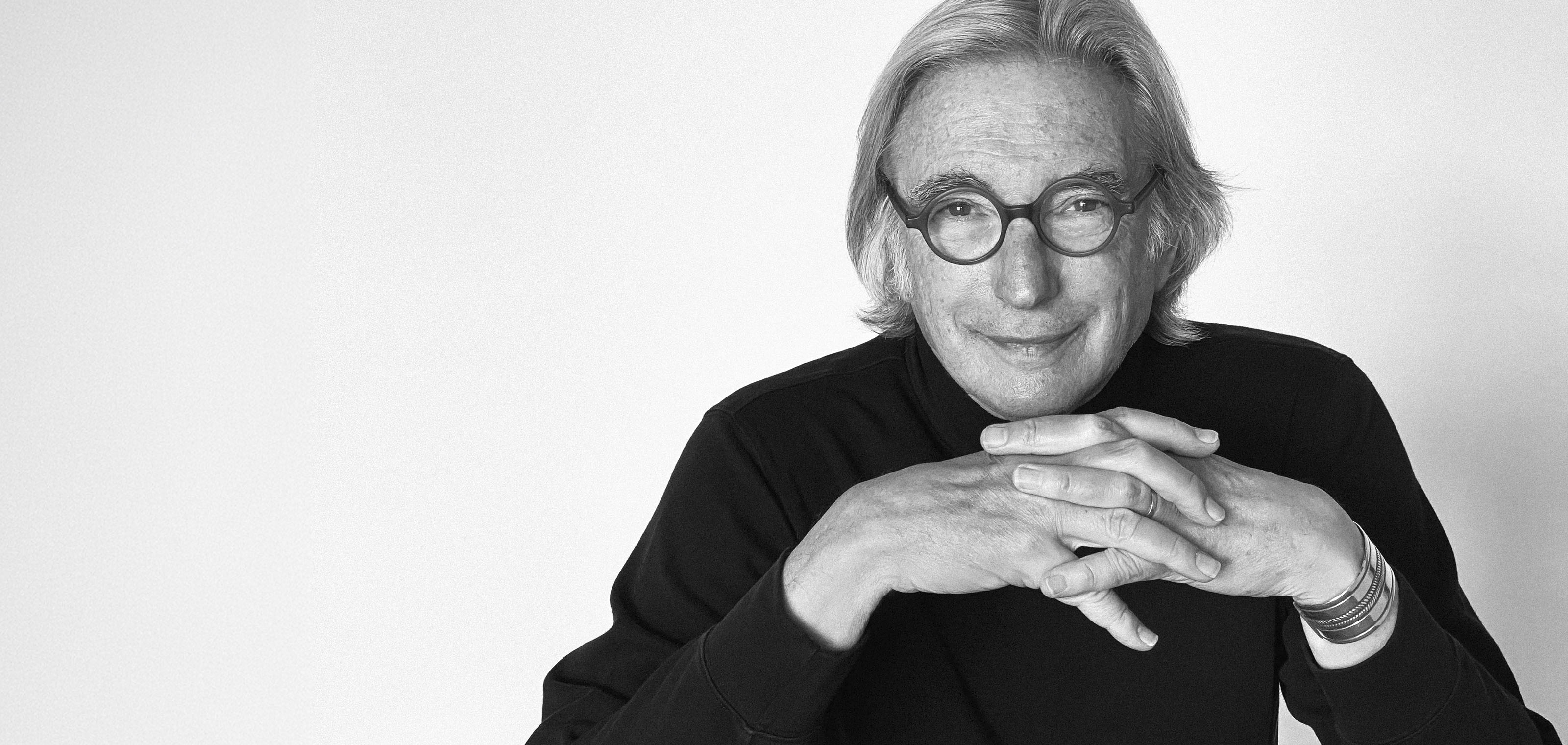
Dip into his resume and you find he was profiled on PBS’s American Masters, headed ensembles from the Buffalo Philharmonic to the London Symphony Orchestra, was awarded the National Medal of Arts, Kennedy Center Honors, membership in the American Academy of Arts and Letters. A devoted educator, he conceived and led the New World Symphony, which trains graduates of America’s top conservatories for orchestra careers. As the San Francisco Symphony’s longest-serving music director, from 1995 to 2020, he ensured the orchestra consolidated its reputation. His watch saw the launch of the Symphony’s own recording label and the release of many Grammy-winning discs, including an acclaimed Mahler symphony cycle. In Keeping Score, online and via video, he introduced Ives, Mahler, Beethoven, and others. He and the Orchestra toured the country and the world. But it was his concerts here that made all the difference. He led us into new places, even in familiar music, and before the downbeat he offered well-chosen words to help us find our place in what we were about to hear.
Under MTT, everything sounded newly sprung, yet he emphasized the conductor’s role mainly as catalyst. Conductor and musicians, he said, are somehow “able to find a common…human understanding, and together [we] are able to make something wonderful happen which can be shared by other people. That is the center of what it’s all about.” While battling the glioblastoma he knew would end his life, he continued against odds that would have silenced others, as though determined that music should have the last word.
Michael Tilson Thomas offered a model for what a musician’s life can be. He gave San Francisco the orchestra it was meant to have.
The San Francisco Symphony will dedicate the June 18, 20–21 performances of Beethoven’s Ninth Symphony to Michael Tilson Thomas. Plans for a special concert in celebration of his life and lasting impact will be shared at a later date.
In recognition of Michael Tilson Thomas’s extraordinary impact on the San Francisco Symphony and the broader musical world, the Symphony’s Board of Governors has made a founding commitment to establish an endowed fund in his honor that will strengthen the future of the orchestra he shaped so profoundly.
To learn more about supporting the Michael Tilson Thomas Legacy Fund, please contact [email protected].