April 1, 2026
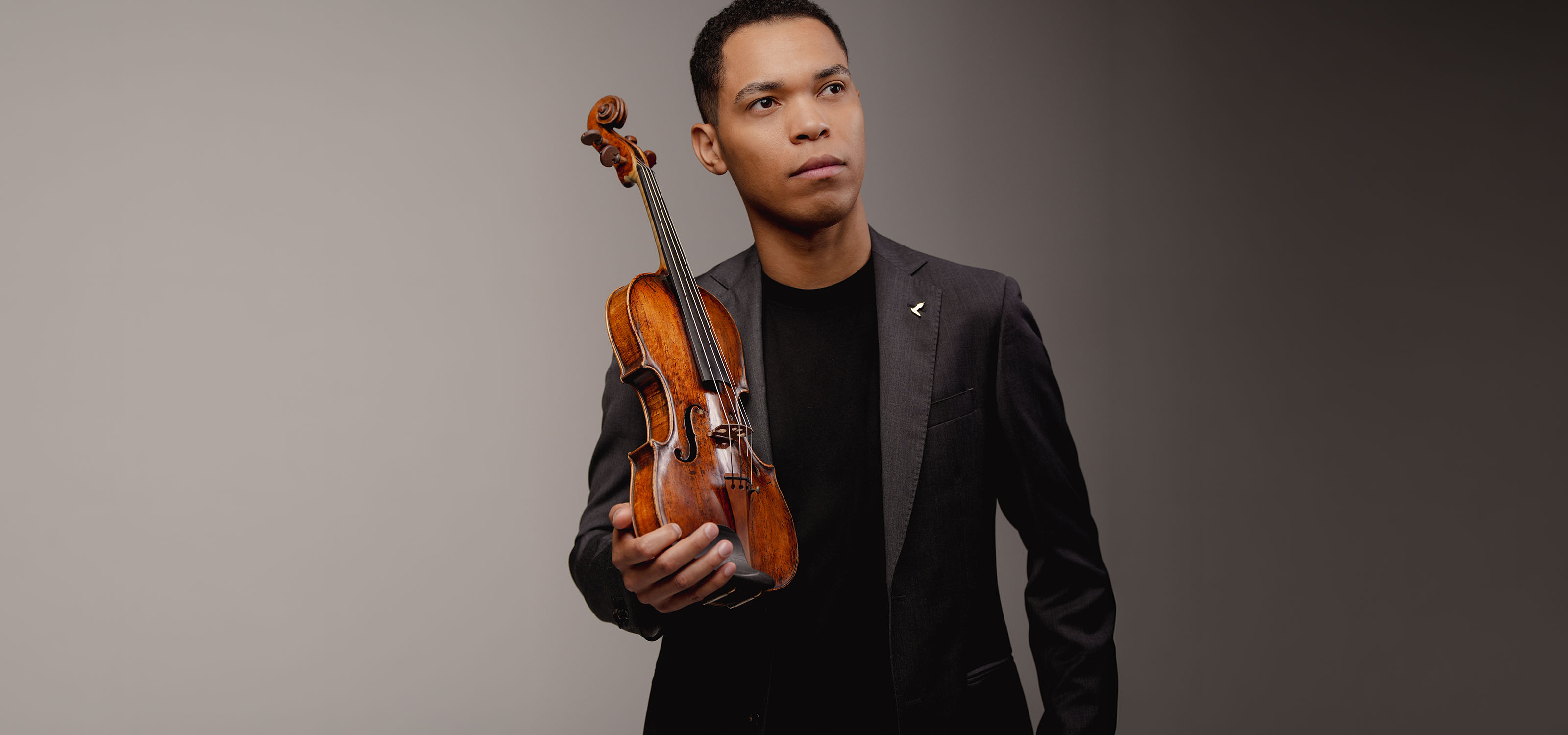
Violinist Nathan Amaral
Tell us a little about what you’re playing in your Spotlight Series recital in San Francisco.
I selected this program precisely for its contrasts and the dialogue it creates between different musical worlds. I lived in Salzburg during my studies, and, as Mozart’s birthplace, the city deepened my connection to his music in a very personal way. Opening with one of his sonatas and then moving directly into a Brazilian work such as Mignone’s Valsa de Esquina reveals the breadth of flexibility and imagination with which two distinct cultures can converse, each expressing its own emotional and aesthetic landscape. Ending with Franck brings the journey to a point that feels almost suspended between these worlds, suggesting a space where their influences intersect and resonate with one another.
What inspired you to pursue a career in classical music?
My path began when a social project offering music education opened in my community, and I joined simply because it was the opportunity available to me at that time. Over the years, however, regular contact with the instrument, the discipline of practice, and the experience of playing with others revealed to me how deeply I connect to music and how naturally it became the language through which I express myself. So my decision to pursue a career in classical music did not come from an early idol or a single defining moment, but from the gradual realization that this unexpected opportunity had quietly grown into a vocation.
Story continues below...
What’s your routine like on concert days?
I try to create as much physical and mental space as possible around the performance. I keep the day relatively calm, avoid heavy commitments, and structure my time so that by the moment I arrive at the hall, my focus is already narrowing toward the stage.
What are some of your interests outside of music and how do they influence your creativity and artistic expression?
I recently started ice skating, which has unexpectedly become an important part of my artistic life. The sense of glide, balance, and control on the ice feels very close to what I search for in my sound: a line that is both stable and free. Learning a completely new physical skill also reminds me what it means to be a beginner again, which keeps me humble, curious, and more empathetic toward audiences and students. The combination of movement, rhythm, and risk in skating feeds back into my playing, encouraging me to take more expressive chances on stage while still maintaining precision.