February 1, 2026
Four Questions For Pianist Mao Fujita
Tell us a little about what you’re playing in your Spotlight Series recital.
In this recital, I will play pieces that Beethoven, Berg, and Brahms wrote when they were still young. We know how great they all became later, but even in these early works you can already feel the strong energy that shaped their future music. In Beethoven's Opus 2, no.1, the famous “Fate” motif already appears. Berg’s Twelve Variations were written when he had just started studying with Schoenberg, and you can hear his early but very beautiful harmonic ideas. And in Brahms’s First Sonata, you can hear a motif that seems inspired by Beethoven’s Hammerklavier [Sonata], but it also has Brahms’s own rhapsodic style. These works are full of character and are very exciting to perform.
What inspired you to pursue a career in classical music?
From a very young age, classical music was simply a natural part of my life. Just like brushing my teeth, eating meals, or going to sleep, making music was something I did every day without question. While my friends were playing together or enjoying games, I was practicing the piano. It was always a joy, and it is still so.
Story continues below...
What’s your routine like on concert days?
The concert requires an intense amount of concentration, so I try to sleep as much as possible before performing. When I go on stage, I play with the feeling that I am giving my whole life to the music.
What influences your creativity and artistic expression?
I don’t have many hobbies outside of music, but I really enjoy visiting museums and seeing great works of art. I also love reading books. You know, manga is big in Japan, which is where I was born and grew up, but it’s not enough for me. I prefer reading texts and creating the images in my own mind; imagining the scenes for myself helps nurture my inspiration and creativity.
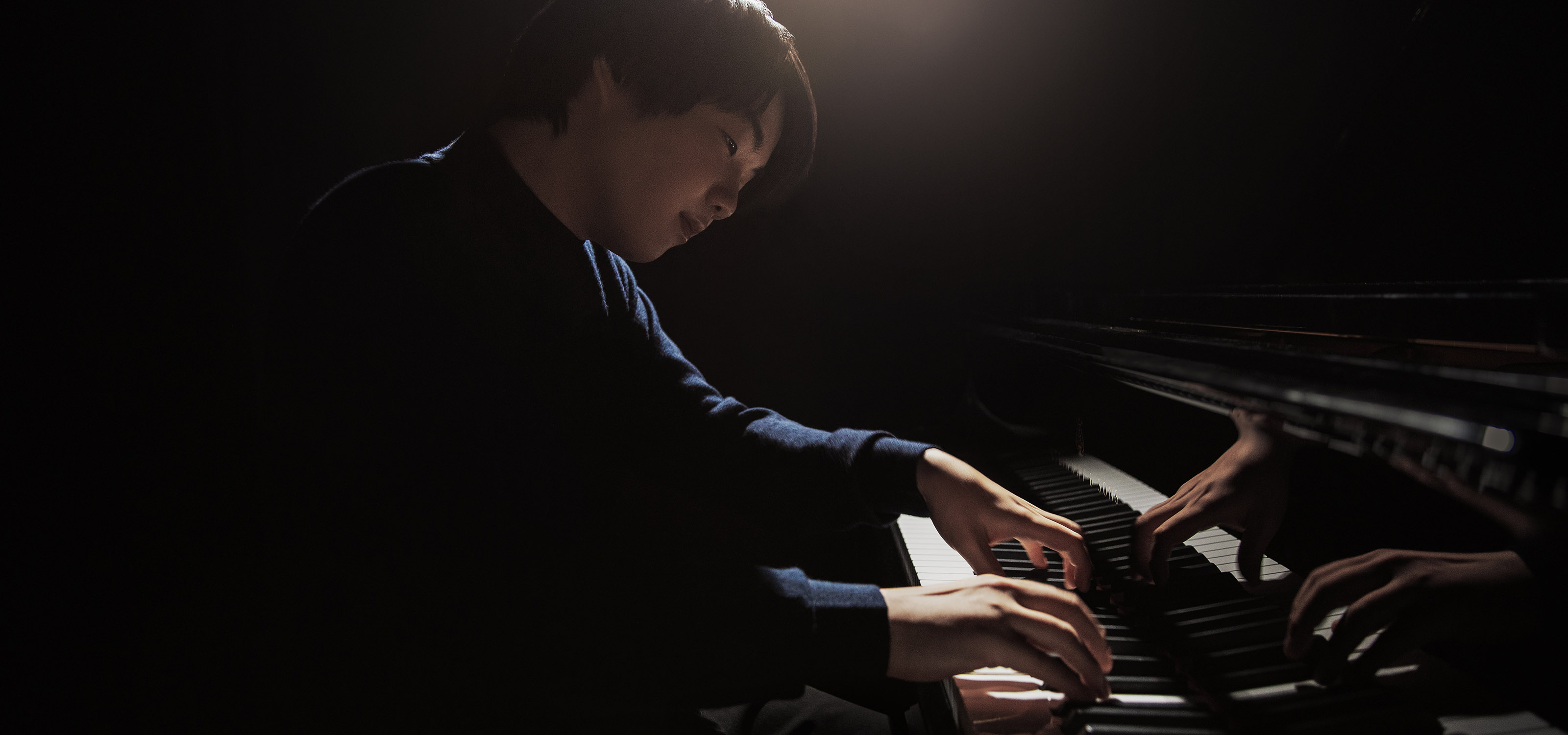
Mao Fujita makes his debut at the San Francisco Symphony in a Shenson Spotlight Series recital, February 25.