November 1, 2025
You had probably the most dramatic debut anyone has ever had with the San Francisco Symphony. [In 2009, Capuçon was stricken with appendicitis after his first rehearsal of the Schumann Cello Concerto and underwent emergency surgery].
After the operation I called [guest conductor Semyon Bychkov] and I said, ‘Look, Semyon, I didn’t come all the way from Paris just to go to the hospital. I want to play!’ He and the Orchestra were so kind that they actually didn’t replace me; they substituted another orchestral piece in the first two concerts. So I made my debut at the last concert. It’s of course a debut that I will never forget! Every time I’ve been to San Francisco since then we joke about it. The SF Symphony is a great family, and I’m always very happy to make music with them.
What can you tell us about the concerto you are playing here in the spring?
The Saint-Saëns First Concerto is of course one of the most-played cello concertos; I’ve played it since I was very young. It’s very alive, and really well-written for the cello, very operatic in a way, dramatic, and romantic. Story continues below...
You’re known for both orchestral and chamber performances. How would you compare those two different settings?
I need to experience both the intimacy of being one of just two people on stage, and then the next day, having almost a hundred musicians behind me. They’re two different ways of sharing the stage and sharing the music. But at the end of the day, we are sharing this experience together, and music is about sharing—sharing the vision of the composer and emotional sharing—and making this journey all together. I can’t say I want to do more of this and less of that. I need this connection to other musicians and to the audience.
You’re also known for your musical partnerships with other soloists like Yuja Wang and Jean-Yves Thibaudet.
It’s really a privilege to be able to make music with people you trust so much, to have partnerships that you can come back to regularly, and build something, and experiment every time going further and deeper into the music.
Tell us about your cello. [He plays a 1701 Matteo Goffriller instrument known as “L’Ambassadeur.”]
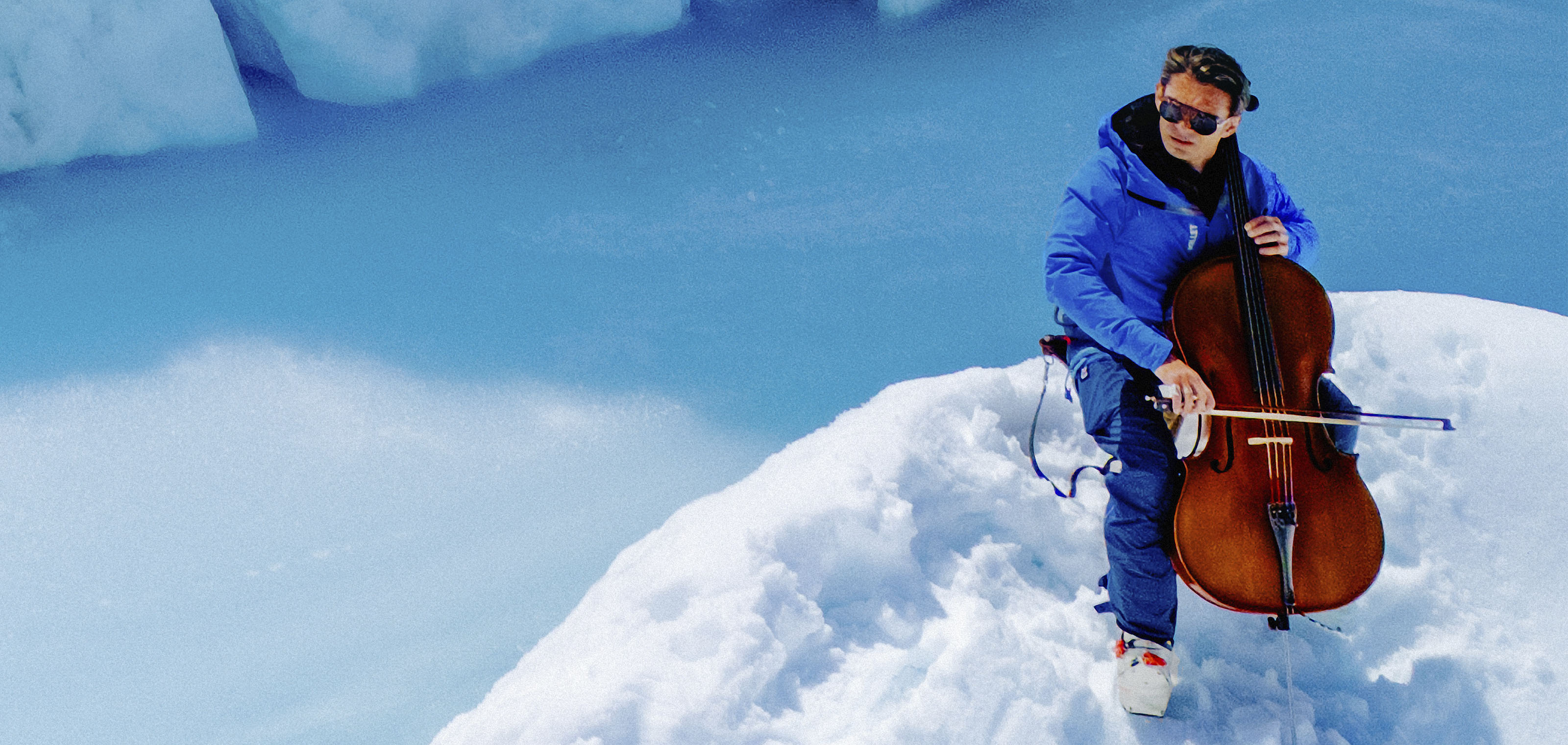
It’s an extraordinary cello. I’ve been playing it for 20 years, but every day I find new colors in it. It’s a bit of a wild animal! It has its own soul and character, but when we play together, hopefully we become one. After 300 years, now it’s my turn to be responsible for this cello and to cherish it, so future generations will be able to play it. It’s a privilege to be able to share a part of the life of such an instrument, and such a piece of art.
Steve Holt is an arts journalist and Contributing Writer to the San Francisco Symphony program book.